30 Western Bridal Photoshoot Ideas: Elegant Wedding Poses & Planning Tips
Looking for beautiful Western bridal photoshoot ideas? From elegant white wedding dress portraits to romantic veil shots, dreamy outdoor pictures, and candid getting-ready moments, this guide will help you plan wedding photos you will treasure for years. Explore 30 bridal photo ideas, learn how to pose naturally, and use our wedding photography checklist to prepare for your big day.
Whether you are planning a garden wedding, a classic church ceremony, a beach celebration, or an intimate wedding at home, these ideas can help you communicate your vision to your photographer. Save your favorite poses to your Pinterest wedding board and personalize them to suit your dress, venue, and personality.
Quick Guide
1. Classic and Elegant Bridal Portraits
1. The Timeless Full-Length Portrait
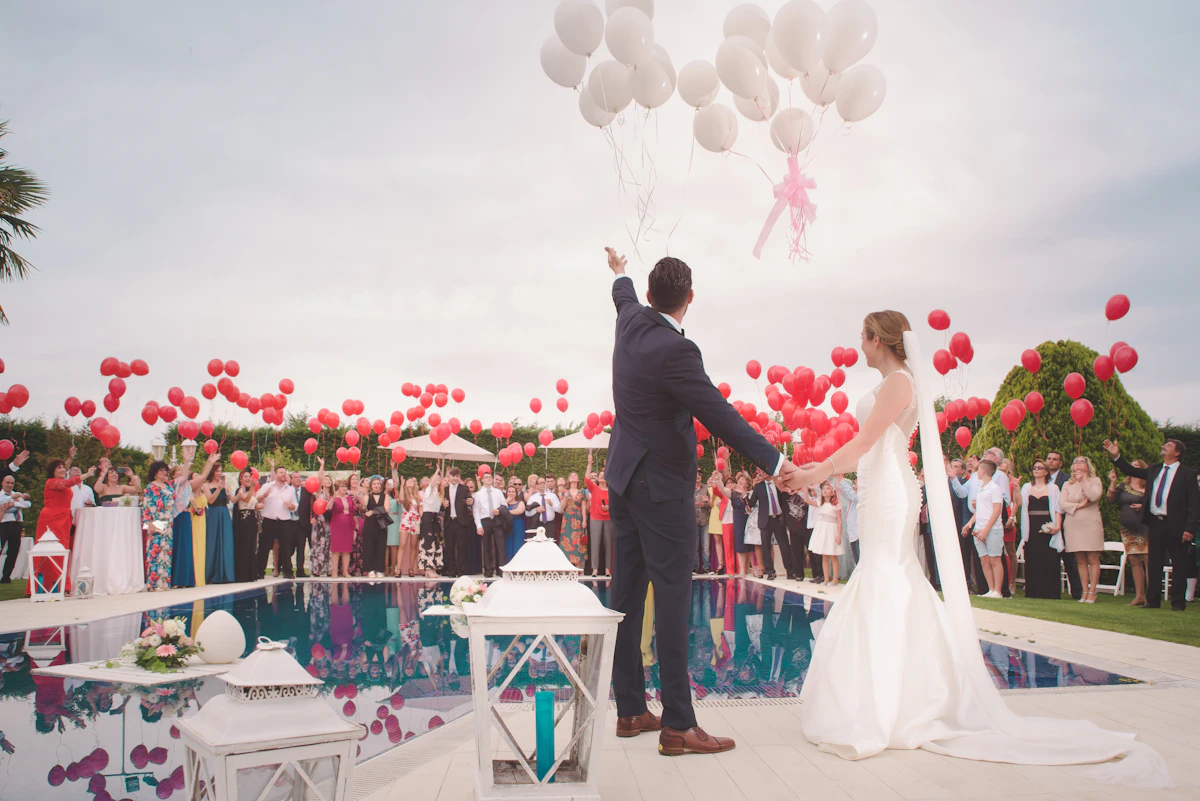
A full-length portrait is a beautiful way to show your complete wedding look, including your gown, shoes, hairstyle, and veil. Stand tall, relax your shoulders, and angle your body slightly rather than facing the camera completely straight on.
Photographer tip: Capture one full-length image from the front and another from a slight angle. Make sure the dress hem and train are visible.
2. The Over-the-Shoulder Pose

Turn your body slightly away from the camera and gently look back over your shoulder. This pose can highlight the back of your wedding dress, veil, and hairstyle while creating a soft, romantic mood.
Try this: Keep your chin relaxed and turn your face toward the light. Avoid twisting your neck too far just to look at the camera.
3. The Soft Side-Profile Portrait

A side-profile portrait draws attention to your facial features, earrings, hairstyle, and veil. It works particularly well beside a large window or in a quiet outdoor location with soft light.
Try this: Look slightly down or toward a distant point instead of forcing a smile. Ask your photographer to capture both a close-up and a waist-up version.
4. The Relaxed Bouquet Pose
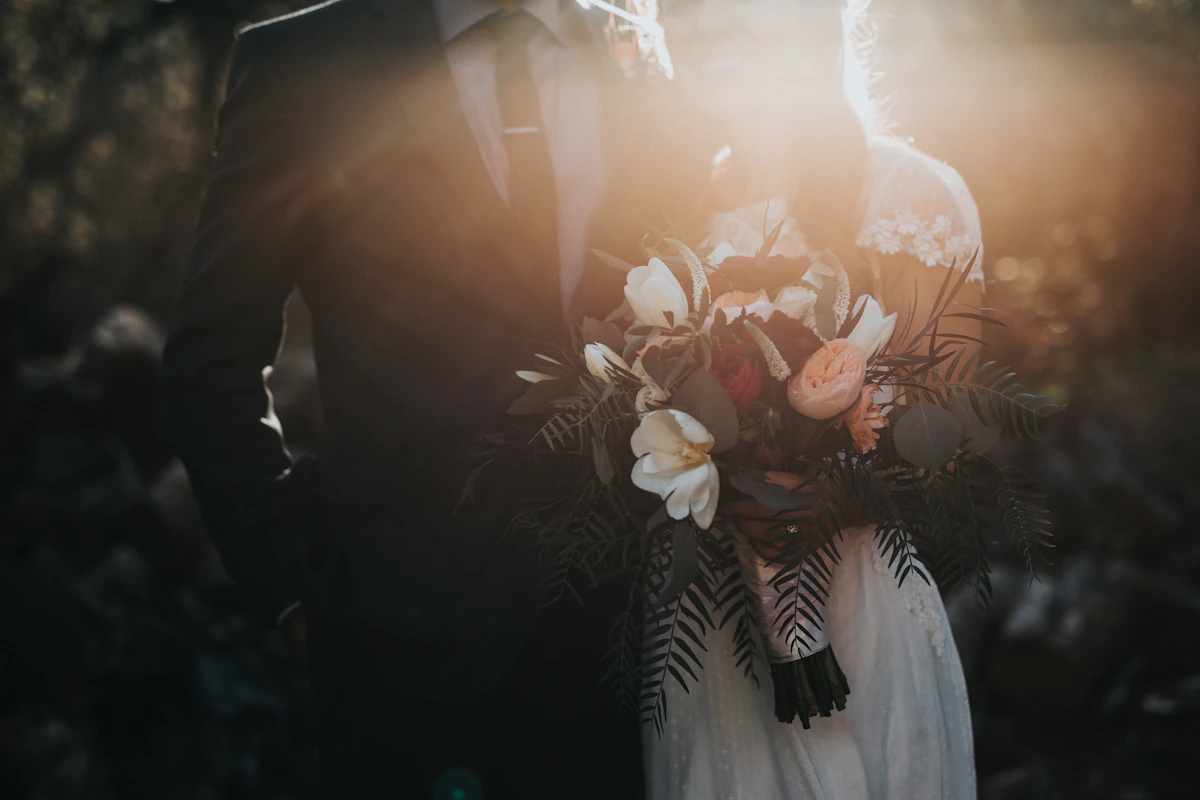
Hold your bouquet gently around waist level, with your elbows relaxed and your hands resting naturally. This gives your hands something to do and helps create a balanced portrait.
Try this: Tilt the flowers slightly forward so the bouquet is visible. Keep it low enough that it does not hide the shape of your dress.
5. The Seated Bridal Portrait

A seated portrait adds variety to a gallery filled with standing photographs. Choose a sturdy chair, bench, or safe step and arrange your gown neatly around you.
Photographer tip: Take a wider shot that shows the dress, then a closer portrait focused on your expression and bouquet.
2. Wedding Dress and Veil Photos
6. The Wedding Dress Train Shot

If your gown has a long train, make it part of the composition. Arrange it in a gentle curve behind you or spread it across a clean floor for an elegant, editorial look.
Try this: Ask a bridesmaid or assistant to arrange the fabric before the photograph. Check that the train is not folded awkwardly or caught under your shoes.
7. The Flowing Veil Portrait

A long veil adds movement and softness to bridal portraits. The photographer can capture it resting behind you or gently moving in a light breeze.
Try this: Keep the veil away from candles, traffic, and other hazards. If an assistant helps lift it, agree on the movement before the shot.
8. The Veil-Framed Portrait

Position a sheer veil around the sides of your face to create a dreamy frame. The fabric can soften the composition and bring attention to your expression.
Photographer tip: Take a few versions with the veil framing your face and a few without it, so you have more variety in your final gallery.
9. The Back-of-the-Dress Detail
Buttons, lace, embroidery, and an elegant back design deserve their own photograph. Stand with your back to the camera and turn your head slightly if you want your face included.
Try this: Ask your photographer for a full view of the back of the dress as well as a close-up of any distinctive details.
10. The Gentle Dress-Twirl Shot
A small, comfortable turn can create movement in a flowing skirt. This pose feels playful and can produce photographs that look less formal than a traditional portrait.
Try this: Make a slow turn in a clear, safe space. Your photographer can use a faster shutter speed to capture the fabric in motion.
3. Bouquet, Jewelry, and Bridal Detail Photos
11. The Bouquet Close-Up

Your bouquet can reflect your wedding colors and personal style. A close-up helps preserve the beauty of the flowers, ribbon, and arrangement.
Try this: Hold the bouquet near your waist or slightly to one side. Ask for a detail shot that focuses on the flowers rather than the background.
12. The Wedding Ring Photograph
Your wedding ring is a meaningful detail to include in the story of your day. Rest your hand naturally on the bouquet, your partner's hand, or a section of the dress.
Photographer tip: Ask for a close-up with the ring in focus and your bouquet or gown softly blurred behind it.
13. The Bridal Jewelry Detail

Photograph the earrings, necklace, bracelet, or heirloom accessory that completes your bridal look. Small details can be especially meaningful when they have a personal story.
Try this: Capture the jewelry while you are getting ready, before the ceremony schedule becomes busy.
14. The Bridal Shoe Shot

Your wedding shoes can make a stylish detail photograph, especially if they have special embellishments, a classic silhouette, or a color that matches your theme.
Try this: Photograph the shoes beside the dress or capture them while you are putting them on. Choose a tidy background.
15. The Bridal Perfume and Invitation Flat Lay
Arrange your invitation, perfume, rings, ribbon, and a few flowers into a simple flat lay. This photograph documents the small details you carefully selected for the wedding.
Try this: Use a clean surface and keep the arrangement simple. Leave enough space between items so each detail can be seen.
4. Indoor and Outdoor Bridal Photography
16. The Window-Light Portrait
A large window can provide soft light for an elegant bridal portrait. Stand a short distance from the window and turn slightly toward it.
Try this: Keep the area behind you uncluttered. A sheer curtain can soften bright daylight if the room is too sunny.
17. The Mirror Reflection
A mirror can show both your reflection and part of your actual bridal look in the same frame. It works well during the final moments of getting ready.
Photographer tip: Check the mirror for distracting objects and camera reflections before taking the picture.
18. The Romantic Garden Portrait
A garden gives you natural color and texture without needing a complicated background. Stand near flowers or greenery and let your gown contrast with the surroundings.
Try this: Choose a location with a clear walking path and avoid areas where the gown could snag on plants or wet ground.
19. The Beach Bridal Portrait
A beach or coastal setting can create an airy, relaxed wedding photograph. The horizon and open sky give the image a sense of space.
Try this: Check the tide, wind, and ground conditions. Consider shoes that are easy to walk in and keep the train away from wet sand if you want it pristine.
20. The Golden-Hour Portrait
The period shortly before sunset can produce warm, gentle light. It is a lovely option for romantic portraits in a garden, field, or open outdoor space.
Try this: Ask your photographer to plan the timing around the sunset and your ceremony schedule, rather than leaving it until the last minute.
21. The Architectural Portrait
Doorways, arches, staircases, and stone walls can create a structured background for an elegant bridal portrait.
Try this: Stand in the center of an arch or slightly to one side for a more editorial composition. Make sure the area is safe and accessible in your gown.
5. Candid and Getting-Ready Bridal Photos
22. The Getting-Ready Moment
Getting-ready photos tell the story of the hours before the ceremony. Include small moments such as putting on jewelry, fastening a shoe, or checking the final details of your outfit.
Try this: Keep the preparation area tidy and allow your photographer time to capture details before everyone needs to leave.
23. The Natural Laugh

A genuine laugh often feels more personal than a carefully held smile. Talk with your partner or a friend, remember a funny story, and let the photographer capture the moment.
Try this: Focus on enjoying the moment instead of worrying about your expression. A series of candid frames often works beautifully.
24. The Walking-Away Shot
Walk slowly away from the camera to show the back of your dress, the veil, and the train. This simple movement can create a cinematic photograph.
Try this: Take small steps and have someone help with the train if needed. The photographer can capture both a wide scene and a closer frame.
25. The Quiet Window Moment
Pause near a window, look outside, and take a moment to breathe. This calm portrait can provide a contrast to the excitement and activity of the wedding day.
Try this: Ask for a natural pose without looking directly at the camera. Soft side lighting can help create a thoughtful mood.
26. The Bridesmaid Celebration
Include your bridesmaids in a relaxed photograph filled with smiles, conversation, or a group embrace. These pictures preserve the friendships surrounding your wedding.
Try this: Take one traditional group portrait and one candid version where everyone interacts naturally.
27. The Family Embrace
A warm hug or a quiet moment with a parent or loved one can become one of the most treasured photographs in your album.
Try this: Add important family combinations to your shot list beforehand so these photographs do not get missed during a busy schedule.
28. The First-Look Portrait
If it fits your plans, arrange a private first-look moment with your partner before the ceremony. The anticipation and reaction can create emotional, candid photographs.
Try this: Choose a quiet location and discuss the timing with your photographer so the moment feels relaxed rather than rushed.
29. The Romantic Couple Portrait
Stand close together, hold hands, or rest your foreheads gently together. A couple portrait should feel comfortable and reflect the way you naturally interact.
Try this: Ask your photographer for both a wide photograph showing the location and a close portrait focused on your expressions.
30. The Just-Married Celebration
Capture the happiness after the ceremony with a walk together, a joyful embrace, or a spontaneous smile. These photographs can feel relaxed and full of personality.
Try this: Give yourselves a little time to celebrate instead of moving immediately to the next scheduled activity. Your photographer can document the natural moments.
6. Bridal Photoshoot Planning Checklist
A clear plan makes it easier to enjoy your photoshoot without feeling rushed. Save this checklist and review it with your photographer before the wedding.
Before the Wedding
- Save your favorite bridal poses and create a short reference board.
- Discuss the photography style you prefer: classic, editorial, candid, romantic, or a mix.
- Confirm the locations, travel time, access rules, and any photography permits.
- Choose the best time for indoor and outdoor portraits.
- Prepare your wedding dress, veil, shoes, bouquet, jewelry, and accessories.
- Plan a backup indoor location in case of rain or strong wind.
- Share important family groupings and must-have photographs with your photographer.
- Tell your photographer about comfort needs and any poses you would rather avoid.
On the Wedding Day
- Keep your dress and accessories together so they are easy to find.
- Allow extra time for hair, makeup, dressing, and travel between locations.
- Ask a trusted person to help arrange your veil and train.
- Bring water, tissues, a small touch-up kit, and comfortable walking shoes.
- Capture full-length portraits, close-ups, detail photos, and candid moments.
- Take a few minutes to enjoy the day instead of focusing only on the camera.
- Keep the schedule flexible enough for unexpected delays or beautiful light.
Example Photo Timeline
- 20–30 minutes: Getting-ready details and final preparations.
- 20–30 minutes: Solo bridal portraits and dress details.
- 15–25 minutes: Couple portraits or a first look, if planned.
- 15–25 minutes: Family and wedding-party photographs.
- 10–20 minutes: Extra outdoor portraits, depending on the schedule and light.
Remember: This is only a sample. Your actual timeline will depend on your ceremony, venue, travel time, and photographer's recommendations.
7. Tips for Beautiful Wedding Photos
Choose Soft Light
Open shade, soft window light, and the period before sunset can create flattering portraits. In strong midday sun, ask your photographer to find shade or position you to avoid harsh shadows.
Keep Your Hands Relaxed
Hold your bouquet gently, touch your veil softly, or rest your hands naturally on your dress. Relaxed fingers and shoulders can make a pose feel more comfortable.
Move Naturally
Walk slowly, turn your shoulders, look at your bouquet, or share a conversation with your partner. Small movements often create more natural-looking photos than holding the same pose for too long.
Check the Background
Look for distracting signs, clutter, parked cars, or objects that appear to come out of your head in the photograph. A simple background helps your wedding look remain the focus.
Take Different Compositions
For your favorite poses, request a full-length image, a waist-up portrait, and a close-up if time permits. These variations give you more choices for your album and Pinterest inspiration board.
Choose Comfort and Safety
Wear suitable shoes, use stable steps, and avoid unsafe locations for the sake of a photograph. Take care with long veils and trains near candles, traffic, cliffs, water, and uneven ground.
Make the Photos Personal
Use inspiration pictures as a starting point, not a strict rule. Choose the poses, locations, and details that feel right for you and your partner.
8. How to Create Your Wedding Photo Shot List
Share a short, organized list with your photographer so the most important photographs are planned in advance.
- One classic full-length bridal portrait.
- One back-of-the-dress and veil photograph.
- One bouquet and jewelry detail photo.
- One getting-ready moment.
- One natural walking or candid portrait.
- One indoor or window-light portrait.
- One outdoor portrait, if the location and weather allow.
- Family and wedding-party group photographs.
- Several relaxed couple portraits.
- One wide photograph showing the venue or landscape.
Organize your saved inspiration into folders such as “Wedding Dress,” “Veil,” “Solo Portraits,” “Details,” and “Couple Photos.” This makes it easier to explain your preferences to your photographer.
9. Frequently Asked Questions
What are the best poses for a Western bride?
Full-length portraits, over-the-shoulder poses, bouquet photographs, veil shots, side profiles, and natural walking pictures are versatile options. Choose poses that suit your gown and feel comfortable.
How many bridal poses should I plan?
Choose around 10–15 favorite poses to start. Your photographer can create several variations of each pose, so you do not need a separate idea for every photograph.
When is the best time for outdoor bridal photos?
Early morning and the period shortly before sunset often provide soft light. The best time depends on your location, season, weather, and wedding schedule.
How can I make my wedding dress look beautiful in photos?
Arrange the train neatly, check the gown before each shot, and ask your photographer to capture both full-length views and close-up details. Gentle movement can show the shape and texture of the fabric.
Should I take bridal photos before or after the ceremony?
Both options can work. A first look before the ceremony may provide more time for portraits, while photos afterward can capture the excitement of being newly married. Choose the approach that fits your plans.
Can I take beautiful wedding photos without an expensive venue?
Absolutely. A clean wall, a bright window, a quiet garden, or a simple outdoor path can provide a lovely backdrop. Good light and natural expressions matter more than an elaborate setting.
What should I bring to a bridal photoshoot?
Bring your dress, veil, shoes, bouquet, jewelry, and any meaningful accessories. Water, tissues, comfortable shoes, and a small touch-up kit can also be helpful.
Final Thoughts
Your wedding photographs should tell your story and reflect the feeling of your day. Use these Western bridal photoshoot ideas to plan a mix of elegant portraits, wedding dress details, romantic veil photographs, and genuine moments with the people you love.
Save your favorite poses, share your shot list with your photographer, and leave room for spontaneous moments. You do not need to make every photograph perfect. Sometimes, a natural smile, a quiet glance, or a gentle breeze creates the image you will treasure most.
Enjoyed these bridal photography ideas? Save this guide to your wedding planning board on Pinterest and share it with a bride-to-be who needs inspiration.
The Idea Garden — Wedding Inspiration, Photography Ideas & Creative Planning.


